Build trust in your creative abilities as you take on ambitious fabric projects with patience and a practical mindset that makes each new step feel achievable.
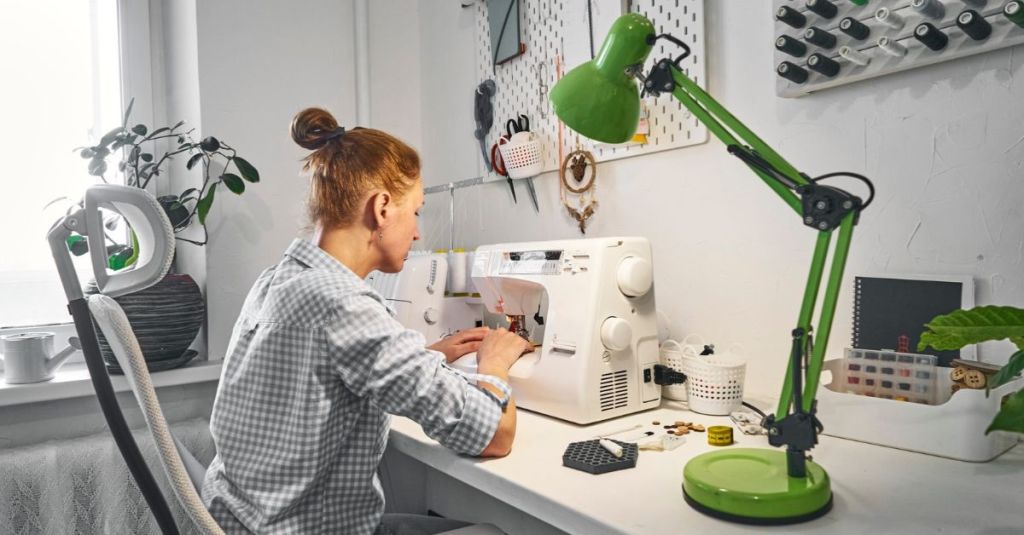
Sewing offers endless opportunities to express your creativity and develop new skills. As your experience grows, you may feel ready to move beyond basic projects and explore more intricate designs. Complex patterns and advanced techniques can seem intimidating at first, but every new challenge offers an opportunity to improve your abilities.
Confidence does not develop overnight. It comes from practice and a willingness to approach unfamiliar techniques with an open mind. Even experienced sewists encounter difficult projects that require additional preparation and careful attention to detail. The difference lies in how you approach those challenges and respond when a project does not go as planned.
Understanding how to build confidence with more complex sewing begins with the recognition that progress matters more than perfection. You do not need to master every technique before you attempt an ambitious project. With thoughtful preparation and realistic expectations, you can gradually expand your abilities and feel more comfortable with advanced construction methods.
Choose Projects That Match Your Current Abilities
The best way to approach more complex projects is to build upon skills you already understand. Select a pattern that introduces a manageable challenge rather than several unfamiliar techniques at once. This approach allows you to concentrate on a specific area without unnecessary frustration.
Consider your previous experience before you decide what to attempt next. A project that introduces a new construction method can provide an excellent opportunity to develop your technical abilities. Gradual progress helps you build confidence without pressure to achieve professional results immediately.
Take Time To Understand Complex Patterns
A complicated pattern can seem overwhelming when you first examine its instructions. Instead of immediately cutting your fabric, read through the complete construction process to understand how the individual pieces connect. Familiarity with the pattern helps you anticipate difficult sections.
Pay close attention to technical symbols and construction details. If a particular instruction seems unfamiliar, research the technique or practice it separately before you continue with the actual project. A clear understanding of the process makes each stage feel more manageable.
Establish Consistent Habits for Better Results
Good habits make advanced projects easier to approach because they create a reliable foundation for accurate work. The sewing habits every sewist should learn will help you develop greater consistency and approach difficult techniques with confidence. Simple routines can make a noticeable difference in the quality of your finished projects.
Take time to prepare your materials before you begin each project. Examine your fabric carefully and review the instructions to identify areas that deserve additional attention. These small efforts reduce preventable mistakes and allow you to concentrate on the creative process.
Practice New Techniques Before Your Final Project
Advanced techniques often require more control than basic construction methods. Rather than attempt an unfamiliar technique directly on your final fabric, use a small sample to understand how it works. This gives you an opportunity to experiment without unnecessary pressure.
Practice until you feel comfortable with the movements and machine adjustments involved. You may need several attempts before the results meet your expectations, and that is a normal part of skill development. Each attempt strengthens your technical knowledge and prepares you for more demanding work.
Organize Your Workspace for Greater Precision
A comfortable workspace can make a considerable difference when you work on detailed projects. Investing in the top accessories for a more organized sewing room can help you create an efficient environment that supports accurate work. Easy access to your equipment allows you to maintain concentration throughout complicated construction stages.
Arrange your workspace to provide enough room for careful fabric placement and precise movements. Good lighting also deserves attention, particularly when you work with small seams or intricate details. A practical environment allows you to focus on the project rather than interruptions caused by misplaced materials.
Understand How Different Fabrics Behave
Fabric selection becomes more important as you explore advanced projects. Some materials require additional control because they stretch easily or shift beneath the machine. Understanding these characteristics helps you choose fabrics that match your current experience.
Start with materials that feel familiar before you experiment with more difficult textures. Test your stitches on a small fabric sample and adjust your machine when necessary. This preparation helps you understand how the material responds before you commit to the complete project.
Improve Accuracy With Careful Measurements
Precision plays an important role in complex construction. Even a small measurement error can affect how individual pieces fit together, particularly when a project includes detailed seams or fitted sections. Accurate preparation helps you avoid unnecessary corrections later.
Measure carefully and verify important dimensions before you cut your fabric. Maintain consistent seam allowances throughout the project, and check your work before you move to another construction stage. These habits allow you to approach detailed patterns with greater confidence.
Treat Mistakes as Part of Your Progress
Mistakes are inevitable when you attempt unfamiliar techniques. A seam may require correction, or a particular construction method may produce an unexpected result. Instead of viewing these moments as failures, consider what they reveal about your current abilities.
Take time to identify the cause before you attempt another correction. Sometimes a minor adjustment is enough, but other problems require additional practice or a different approach. Every challenge gives you useful experience that can improve your future projects.
Divide Complex Projects Into Manageable Stages
A large project can feel intimidating when you focus exclusively on the finished result. Dividing the construction process into smaller stages allows you to concentrate on one task at a time. This approach makes difficult projects easier to manage without unnecessary pressure.
Set realistic expectations for the time each stage may require. Advanced techniques often demand more patience than familiar methods, especially when precision affects the final appearance. Give yourself enough time to complete each section carefully rather than rush toward the finish.
Recognize Your Progress and Continue To Challenge Yourself
Confidence grows when you acknowledge the improvements you make over time. Compare your recent projects with earlier work and notice where your accuracy or technical control has improved. Even small changes can demonstrate meaningful progress.
Continue to choose projects that encourage you to expand your abilities. You may encounter unfamiliar techniques that require additional practice, but previous experience will help you approach them with greater confidence. Over time, complex construction becomes less intimidating as your knowledge and independence develop.
Building confidence with more complex sewing comes from consistent effort and a willingness to approach unfamiliar techniques with patience. Every project offers an opportunity to improve your accuracy and strengthen your understanding of construction methods. Progress may feel gradual, but each completed task contributes to your overall development.
Remember that successful sewing does not require perfection at every stage. The most valuable experiences often come from projects that challenge your abilities and encourage you to find better approaches. With realistic expectations and thoughtful preparation, you can develop the confidence necessary to tackle increasingly intricate designs.








Leave a Reply