Follow these simple tips for expanding your garden at home if you’re ready to find creative, beautiful ways to refresh your living space today.
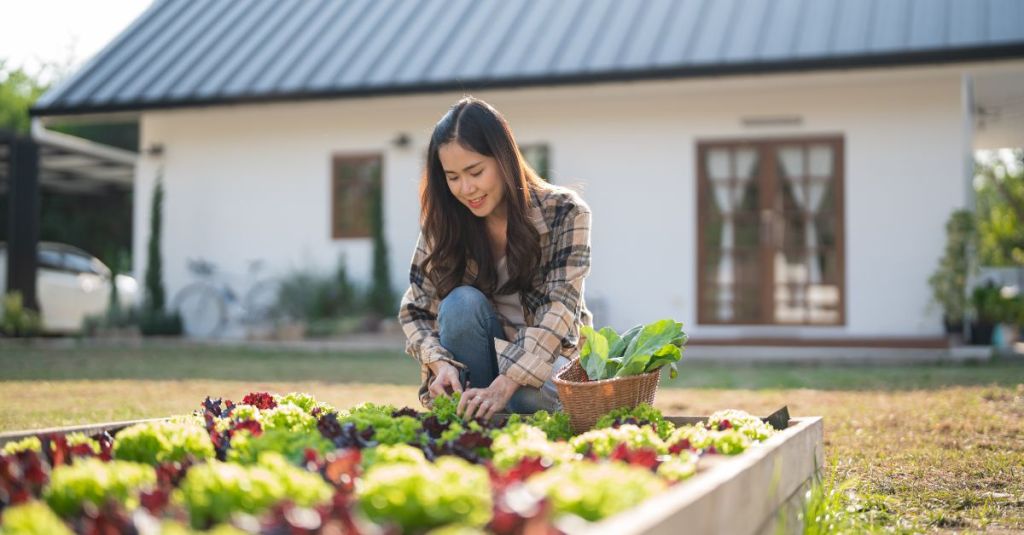
A garden doesn’t have to stay the same size or follow the same layout year after year. These simple tips for expanding your garden at home will help you approach each addition with greater confidence. From soil preparation to creative space management, a few smart decisions can turn a small garden into a much more productive landscape. Explore these ideas and start planning your next garden project today.
Evaluate Your Current Garden Before You Expand
Before you purchase new plants or prepare another garden bed, take a closer look at your existing landscape. Consider how much space you currently use and how well your plants perform throughout the year. Areas with poor drainage, crowded roots, or limited sunlight may need attention before you expand.
Pay particular attention to spots that receive at least six hours of direct sunlight each day. Many vegetables and fruit-producing plants prefer these conditions, although individual requirements vary. A sunny patch beside your patio or along a backyard fence could provide enough room for several additions.
You should also consider how much time you can dedicate to garden maintenance. Larger gardens introduce more responsibilities, so choose an expansion that fits comfortably into your routine. A gradual approach gives you time to adjust your maintenance schedule before introducing additional plants.
Start With One New Garden Bed
An ambitious expansion may sound exciting, but there’s no reason to transform your entire yard at once. One additional garden bed provides an opportunity to experiment with new crops and discover what works best in your landscape. You can evaluate the results before committing more space to your garden.
For example, you could establish a four-by-eight-foot bed near your existing vegetable garden. This modest addition offers space for lettuce, peppers, carrots, or other seasonal favorites. You’ll also have a chance to evaluate soil conditions and irrigation needs before you tackle another project.
Raised beds offer another practical option, particularly in areas with compacted soil. They allow greater control over soil composition and provide clearly defined spaces for different crops. Choose materials suitable for garden use and provide adequate drainage.
Get Creative With Vertical Space
Limited yard space doesn’t have to restrict your garden’s potential. Vertical structures allow certain plants to grow upward rather than spread across valuable ground. This approach creates more opportunities to cultivate vegetables without expanding the footprint of your garden beds.
Trellises work particularly well for pole beans, cucumbers, and certain tomato varieties. A sturdy structure beside a garden bed can accommodate vigorous vines without sacrificing much additional space. It also provides easier access to many crops during harvest.
You can also incorporate vertical features into existing landscape areas. A decorative arbor with suitable climbing plants creates another opportunity to use overhead space. Just position these structures carefully so they don’t cast excessive shade on nearby vegetables. Choose supports that can accommodate the mature weight of your plants, especially after rainfall or during peak production.
Introduce Fruit Trees to Your Landscape
Fruit trees offer homeowners another way to expand their gardens beyond traditional vegetables and flowers. Apples, peaches, pears, and plums can provide seasonal harvests, provided the selected varieties suit local climate conditions. These additions can also introduce a different type of gardening experience for homeowners accustomed to annual crops.
Before you plant, research each tree’s mature dimensions and recommended spacing. A young fruit tree may occupy very little space initially, but its branches and root system will develop considerably over time. Allow enough room for future growth and routine maintenance.
Pollination deserves attention as well. Some fruit tree varieties can produce fruit independently, whereas others require pollen from a compatible variety. Evaluate these requirements before deciding how many trees to add. Make sure you know what to expect when ordering plants online so you can prepare before finishing your purchase.
Add Berry Bushes Along Garden Borders
Berry bushes can transform underused sections of your yard into productive garden areas. Blueberries, blackberries, and raspberries are excellent candidates for homeowners interested in fresh fruit. Their different growth habits also provide opportunities to experiment with several garden layouts.
Each type has its own preferences, so plan accordingly. Blueberries generally require acidic soil, whereas many blackberry varieties tolerate a broader range of soil conditions. Raspberries benefit from good air circulation and may require supports.
A sunny border near your vegetable garden could accommodate several berry plants. Before installation, account for their mature spread and any maintenance access you’ll need. You can also select varieties with different harvest periods to extend the availability of fresh berries, provided they suit your local climate. Don’t overlook the many benefits of adding plants to your backyard because they highlight the importance of expanding with berry bushes, fruit trees, and beyond.
Use Containers to Expand Beyond Garden Beds
You don’t need another large patch of open ground to grow additional plants. Containers can turn patios, decks, and other sunny spaces into productive garden areas. They also allow you to experiment with new crops without permanently altering your landscape.
Herbs such as basil, parsley, and thyme adapt well to appropriately sized pots. Compact pepper varieties, lettuce, and certain tomatoes can also perform well in containers with adequate root space. Choose pots with drainage holes and use a potting mix formulated for container plants.
Containers may require more frequent water than plants grown directly in the ground. Their flexibility, though, allows you to rearrange your garden as sunlight conditions and seasonal needs change. You can also move certain containers to more sheltered locations when unfavorable weather approaches.
Create a Practical Watering Plan
As your garden expands, carrying a watering can between distant beds may become inconvenient. A practical irrigation plan can save time and help deliver water where plants need it. Consider the location of your outdoor water source before establishing additional garden areas.
Drip irrigation systems and soaker hoses are useful options for many vegetable beds and berry patches. They deliver water near the soil surface and can reduce unnecessary moisture on foliage. These systems can also provide more consistent moisture across larger garden areas.
Group plants with similar moisture requirements whenever possible. This arrangement makes irrigation easier to manage and reduces the chance that one plant receives too much water as another receives too little. Mulch can also help conserve soil moisture when applied appropriately around established plants.
The best approach is to expand at a pace that suits your household and gives each plant room to thrive. You can start with one modest improvement and gradually introduce more ambitious projects as your experience grows. Explore the possibilities, select your next addition, and put these simple tips for expanding your garden at home into practice this season.








Leave a Reply