Your windowsill has enough houseplants! Ready for something you can harvest? These indoor growing projects bring fresh surprises to even the smallest homes.
Your windowsill already has a pothos, and there’s another succulent on the bookshelf. They’re lovely, but perhaps you’re ready to grow something with a little more payoff than another leaf. What if your next indoor project gave you fresh food for dinner or something fun to watch with your kids?
Explore these indoor gardening ideas beyond the usual houseplants! A kitchen counter or small shelf offers room for surprisingly interesting projects. The trick is choosing something that fits your home and the time you have.
Grow Radish Microgreens for a Quick Harvest
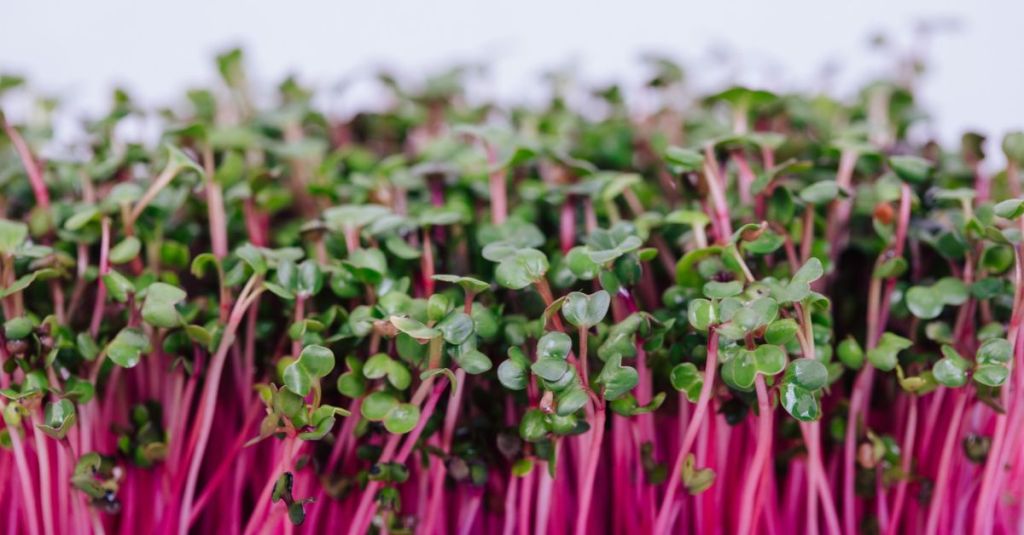
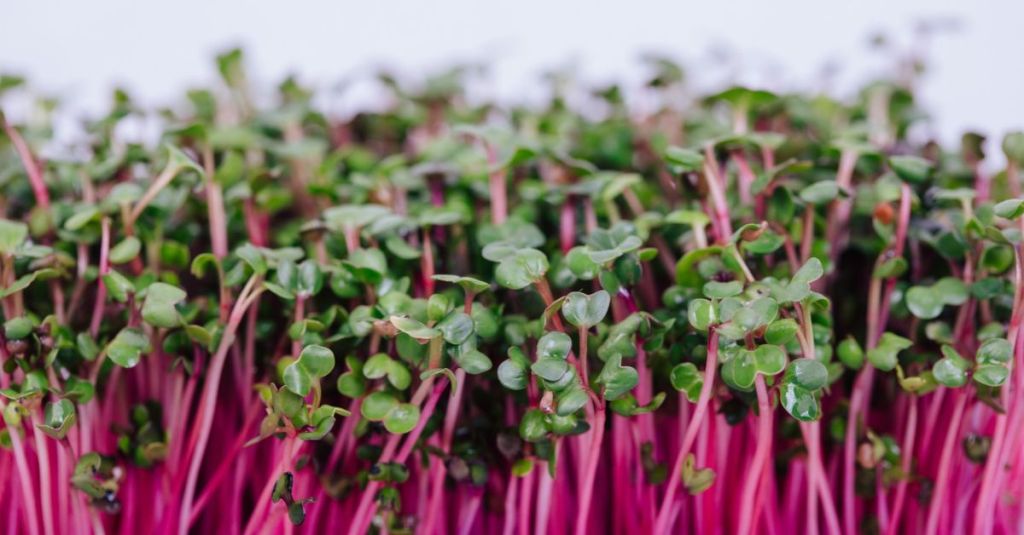
Microgreens are young vegetable plants that you harvest while they’re still small. Radish microgreens make a satisfying first project because they grow quickly and add a peppery bite to sandwiches.
Start with a shallow tray that has drainage holes and a second tray underneath to catch water. Add moist seed-starting mix and scatter seeds across the surface. Follow the packet’s sowing instructions, keeping the mix damp but not soggy.
Give the Seedlings Enough Light
Once the seeds sprout, place the tray under an LED grow light if your window doesn’t provide enough sunshine. Most microgreens reach harvest size within roughly one to three weeks, depending on the variety. You’ll get a fresh harvest without sacrificing your whole dining table!
Turn Dried Peas Into Sweet Pea Shoots
Pea shoots bring a different sort of indoor garden to your kitchen. Their curly tendrils look decorative, and the tender shoots taste pleasantly sweet. They’re also fun for children who enjoy watching seeds change almost every day.
Choose peas sold specifically for growing edible shoots. Soak them according to the seed supplier’s directions, then sow them closely in a tray of moist growing mix. Give the emerging shoots bright light and enough space for air to circulate.
After around 10 to 15 days, look for sturdy green shoots. Snip them above the soil line and use them in a wrap or over a bowl of noodles. Don’t confuse edible pea shoots with ornamental sweet peas, which aren’t food.
Watch Oyster Mushrooms Grow From a Kit
Want a project that feels completely different from tending leafy plants? Try a ready-to-fruit oyster mushroom kit. Instead of waiting for seeds to germinate, you’ll watch small mushroom clusters emerge from a prepared growing block.
Choose a kit from a reputable edible mushroom supplier and follow its instructions. Most kits need humidity and fresh air. Set yours somewhere you won’t accidentally leave the surrounding surfaces damp.
Cleanliness deserves extra attention here. Take a look at this guide on how cleanliness improves mushroom cultivation success when handling growing materials. Follow the kit’s care instructions, and discard the growing block if you notice suspicious contamination.
Give Grocery Store Scallions a Second Life
Before you throw away the white ends of your green onions, check their roots. You already have the beginning of another small growing project. Stand the root ends upright in a clean glass with enough water to cover the roots, not the whole stalk. Place the glass near a bright window and refresh the water frequently. New green growth often appears within days.
The stalks won’t keep producing generous harvests in plain water forever. Once new growth develops, plant the rooted bases in a small pot with drainage holes and fresh potting mix.
Try a Tiny Tomato Plant Under a Grow Light
Growing tomatoes indoors sounds ambitious, but a micro-dwarf variety keeps the plant small enough for a container. Look for seeds specifically for compact growing rather than standard garden tomatoes.
Tomatoes need considerably more light than most houseplants. Plan on a suitable grow light if your windows don’t provide strong sunshine. Use a pot with drainage and keep the soil consistently moist.
Once flowers appear, gently tap the stems to help release pollen, as indoor plants don’t always experience the same air movement as outdoor tomatoes.
Grow Alpine Strawberries in a Small Pot
If you’d rather grow something sweet, alpine strawberries make a charming experiment. Their compact plants fit into pots, and their small berries offer a treat for patient gardeners.
Choose a bright location that stays relatively cool, and use a container with drainage. When blossoms arrive, transfer pollen between flowers with a small, soft brush. Indoors, you may not have insects to do the job.
Give the plant time to establish itself, and think of the harvest as an occasional bonus. The flowers are lovely even before the first berries arrive!
Make Lettuce a Countertop Hydroponic Project
If you enjoy gadgets as much as gardening, consider a small countertop hydroponic system. Lettuce grows with its roots in a nutrient solution rather than ordinary potting soil.
A beginner kit with a light and planting pods makes setup simple. Choose a loose-leaf lettuce variety and follow the system’s nutrient instructions. Keep the water level at the recommended level and clean the reservoir between growing cycles.
The best part comes when you need a few leaves for lunch. Simply harvest outer leaves once they’re large enough, leaving the center to keep growing.
Give Your Growing Projects a Place To Live
It’s easy to get enthusiastic after your first harvest. Soon, the counter will hold three trays, and your favorite mug will have nowhere to go. Before expanding your garden onto another surface, create a setup that suits daily life.
For an easy starting point, choose one project based on your household’s interests:
- Microgreens if you’d like a quick harvest for meals.
- Pea shoots if children want to follow daily growth.
- Oyster mushrooms if you’re curious about fungi.
- Hydroponic lettuce if you enjoy a countertop system.
You don’t need to buy everything on day one. One successful project tells you more about your interests than a cart full of gardening accessories.
Make Your Next Indoor Garden Something New
The nicest part of indoor growing is watching an ordinary corner of your home become useful in a new way. Your project doesn’t need expensive equipment or a spare room. It simply needs suitable growing conditions and a little attention.
Start with whichever idea fits your home today. As you explore these indoor gardening ideas beyond the usual houseplants, you’ll find fresh reasons to visit the windowsill. This time, you might come away with something delicious for lunch!






Leave a Reply