Give your space more personality with statement furniture that feels bold but balanced. Explore practical tips for color, pattern, materials, and styling.
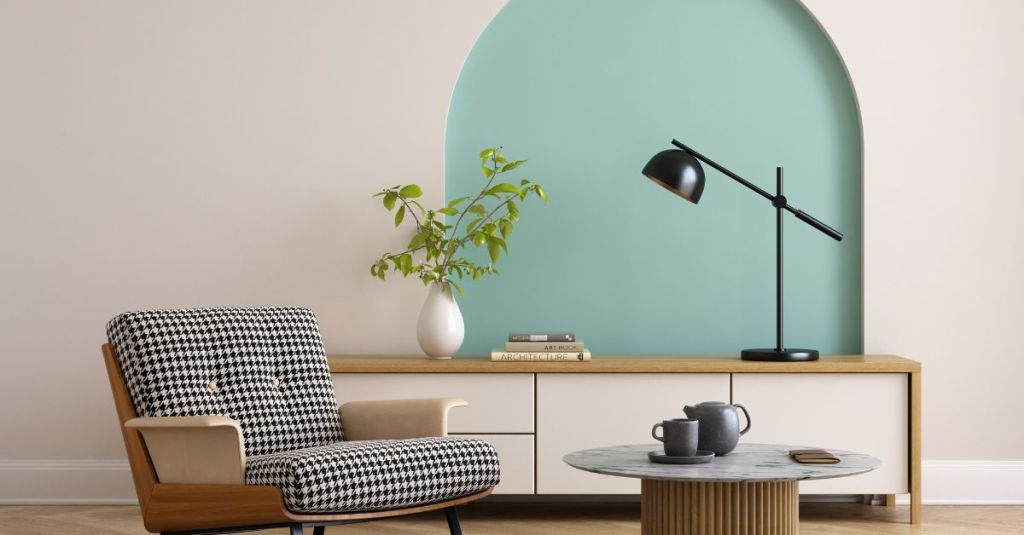
Most rooms have at least one area that feels unfinished, whether it’s an empty corner, a blank wall, or a seating arrangement that lacks character. One well-chosen piece of furniture can change the feel of that space without requiring a full makeover. Learning how to use statement furniture makes it easier to create an expressive space full of personality. The ideas below explore how thoughtful choices in color, shape, and texture can make bold furniture feel right at home.
Start With One Standout Piece
A statement piece usually has more impact when it isn’t competing with several other bold furnishings. When it becomes the room’s focal point, it naturally draws the eye and gives the space a clear visual center. The surrounding furniture and decor can then play a supporting role, so that the statement piece stands out and the room doesn’t feel busy.
These pieces work well as a room’s visual anchor:
- a sofa in an unexpected color
- an oversized or sculptural chair
- a vintage cabinet or dresser
- a table with an unusual base
- a piece with distinctive upholstery
Choose the Right Scale
The furniture size should make sense for both the room and the pieces around it. An oversized chair can overwhelm a small corner, while a delicate table may get lost in a large living area. Before choosing anything, measure the available space and consider the piece’s visual weight as well as its actual dimensions. Check the width, depth, and height of the piece, and leave enough clearance for people to move comfortably around it. It’s also worth comparing those measurements with nearby furniture so the statement piece feels intentional rather than out of proportion.
Use Color Intentionally
Color is one of the simplest ways to make furniture stand out. A deep green chair against cream walls or a mustard bench in a mostly neutral room creates alluring contrast. Statement furniture works especially well when its color picks up a smaller accent elsewhere, such as a rug, pillow, or piece of artwork. That repetition adds personality while keeping the room’s palette connected.
Here’s how to use a color wheel to make more intentional color choices:
- Look across the wheel for complementary colors that create strong contrast.
- Choose neighboring colors for a softer, more cohesive palette.
- Pay attention to warm and cool tones so the furniture doesn’t feel disconnected from the rest of the room.
- Use one dominant color and pull smaller accent shades from nearby points on the wheel.
Incorporate Patterned Upholstery
Printed upholstery turns an ordinary piece of furniture into a room’s focal point. Floral, geometric, striped, and abstract designs can all work well when their colors relate to other elements in the space. Before adding other colors, patterns, and accessories, it helps to understand how to decorate with printed upholstery fabric.
A few simple choices can make bold upholstery easier to work with:
- Pair it with solid-colored curtains.
- Repeat one color from the pattern.
- Keep nearby rugs relatively simple.
- Limit additional prints to smaller accents.
- Use neutral walls as a backdrop.
Add Character With Vintage Pieces
Vintage and secondhand furniture can give a room a sense of history and individuality. A weathered cabinet, carved side table, retro chair, or old dresser often brings details and craftsmanship that newer pieces may not have. Even one older piece can break up a room filled with modern or highly coordinated furniture.
Rather than focusing only on whether a vintage find matches perfectly, look at its shape, finish, hardware, and construction. A little wear can add charm. On the other hand, new paint, updated hardware, or fresh upholstery can give the piece a second life. Mixing old and new elements often creates a room that feels collected over time instead of assembled all at once.
Choose Sculptural Furniture Shapes
Furniture doesn’t need bright color or bold pattern to make a statement. Curved chairs, pedestal tables, arched cabinets, and other unusual silhouettes can create interest through form alone.
It’s also worth thinking about how that silhouette interacts with the rest of the furniture. A rounded chair can soften a room dominated by straight lines, while an angular table can add structure to a space filled with softer forms. That contrast keeps the room from feeling too predictable.
Mix Materials for More Interest
Combining different materials can make statement furniture feel more layered and visually interesting. Pairing bold furniture with soft textiles, warm lighting, and personal accents can create a cozy home décor vibe. The key is to mix finishes that add contrast without making the space feel disconnected.
Different materials can shape the mood of a room in distinct ways:
- Wood adds warmth and a natural, grounded feel.
- Metal introduces a sleek, structured, or industrial edge.
- Glass keeps a space feeling lighter and more open.
- Woven fibers bring softness, texture, and a relaxed quality.
- Upholstered surfaces add comfort and can soften harder finishes.
- Stone or marble creates visual weight and a more polished look.
The strongest combinations usually balance hard and soft surfaces rather than relying too heavily on one type of material. For example, a metal-framed chair can feel warmer beside a woven rug, while a glass table can look more inviting when paired with upholstered seating. Repeating one or two materials elsewhere in the room can tie the arrangement together without making everything look overly matched.
Balance Bold Furniture With Neutrals
Neutral colors can give statement furniture the room it needs to stand out. White, cream, beige, gray, and natural wood tones create a calmer backdrop for bright colors, strong patterns, or unusual shapes. This balance is especially useful when the furniture already combines several noticeable design elements.
Neutral doesn’t have to mean plain. Soft rugs, woven baskets, textured pillows, and natural materials can add warmth while keeping the background visually quiet. Together, these elements create a room that feels expressive without becoming overwhelming.
You don’t have to follow every idea in this guide for the room to come together. Choose a few tips that suit your style, then build your space around the pieces you already enjoy. Some rooms need more color, while others may just need a stronger focal point or a little more texture. In the end, the goal is to make your home feel more comfortable, personal, and welcoming.







Leave a comment