Buying an older home? Learn what to inspect before making an offer, from the roof and foundation to wiring, plumbing, insulation, and windows.
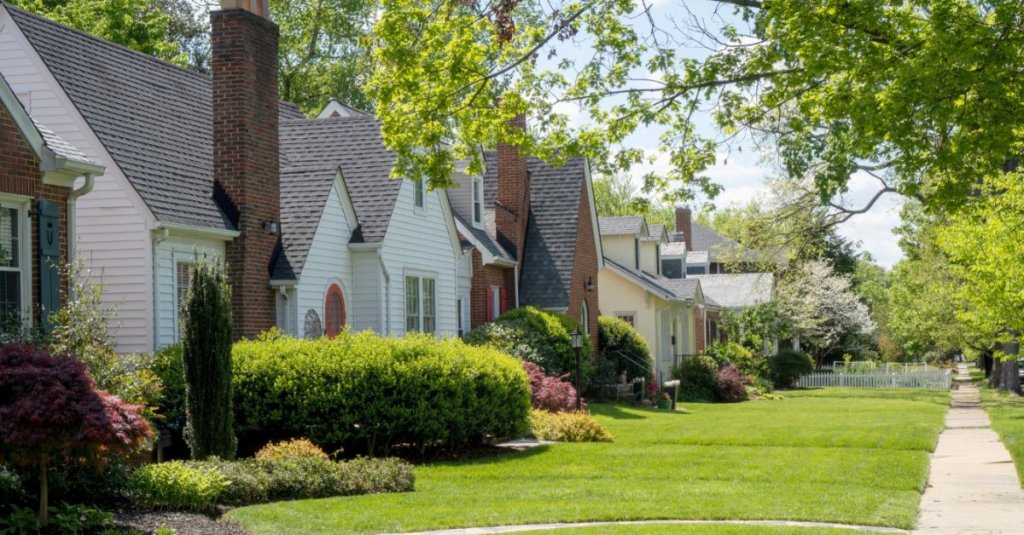
Older homes have a charm that can be difficult to recreate. Original hardwood floors, built-in cabinetry, mature landscaping, detailed trim, and distinctive layouts give a house personality from the moment you walk through the door.
Before falling completely in love with a property, however, it helps to understand what may be happening behind those beautiful finishes. Knowing what to check before buying an older home goes beyond deciding whether the kitchen needs an update or the wallpaper fits your style. The condition of the home’s major systems can affect your budget, comfort, and renovation plans.
Start With the Foundation and Structure
A home’s foundation supports everything above it, so visible signs of movement deserve attention. Walk through the property and look for substantial cracks in walls or ceilings, noticeably uneven floors, doors that repeatedly stick, and gaps around windows or exterior walls.
Not every crack indicates a serious structural problem. Homes naturally settle over time, and an older property may have a few quirks that have remained unchanged for decades. The important question is whether signs point to active movement or damage that requires repair.
Pay attention outside as well. Look at the foundation where it is visible and notice whether the ground slopes toward or away from the house. Poor drainage can allow water to collect near the foundation, potentially contributing to moisture problems.
Take a Careful Look at the Roof
A roof is easy to overlook during a home tour, particularly when most of it cannot be seen from ground level. Its condition can have a significant effect on future maintenance costs.
Missing or damaged shingles, sagging areas, deteriorated flashing, clogged gutters, and signs of previous leaks all warrant a closer inspection. Inside the house, stains on ceilings or walls also suggest current or past water intrusion. Roof problems aren’t always obvious to an untrained eye. Knowing the common issues found during a roof inspection provide useful context for understanding what an inspection may uncover and which seemingly minor details deserve additional attention.
It is also worth asking about the roof’s approximate age, previous repairs, and available documentation. Even when a roof looks fine, knowing where it is in its expected lifespan can help you plan for future expenses.
Check for Water and Moisture Problems
Water can cause expensive damage while remaining hidden. Basements, crawl spaces, bathrooms, kitchens, attics, and areas around windows are especially important places to examine.
Watch for peeling paint, discolored drywall, warped flooring, musty odors, or visible staining. Fresh paint isn’t necessarily suspicious—many sellers spruce up a house before listing it—but it should not prevent a thorough inspection of areas where moisture problems commonly occur.
Ask about past leaks, flooding, drainage issues, and repairs. Documentation showing that a problem was professionally corrected can be helpful when evaluating the home’s history.
Understand the Electrical System
Older houses were built for households with very different electrical demands. Today’s families may simultaneously use computers, televisions, kitchen appliances, chargers, entertainment systems, and other electronics that didn’t exist when some older electrical systems were installed.
An inspection can determine the condition of the electrical panel, wiring, outlets, and related components. Buyers should also consider whether there are enough outlets for everyday life and whether major renovations would require electrical upgrades.
Ask About Plumbing
Plumbing materials and fixtures can change considerably over a home’s lifetime. Find out whether pipes have been replaced, repaired, or updated and whether the property has a history of leaks.
During a showing, simple observations can provide useful clues. Check water pressure at faucets, look beneath sinks for staining or moisture, and note whether drains empty normally. A professional inspection can then provide a more informed assessment. If you’re trying to prioritize potential concerns, the hidden costs of skipping home inspections are a helpful reminder that issues that aren’t immediately visible can become significant expenses after closing.
Look Beyond Cosmetic Renovations
Updated kitchens and bathrooms make an older home feel fresh, but attractive finishes don’t reveal the quality of the work underneath. Ask whether major renovations required permits and whether those permits were obtained when applicable. Pay attention to unusual floor transitions, poorly fitting trim, mismatched materials, or additions that feel disconnected from the original structure. These details don’t automatically indicate a problem, but they can provide good reasons to ask more questions.
For buyers who enjoy DIY projects, it is especially important to separate cosmetic projects from work requiring licensed professionals. Painting cabinets or replacing hardware is very different from correcting structural, electrical, or plumbing problems.
Consider Windows, Insulation, and Everyday Comfort
Older windows are often beautiful architectural features, but they may affect comfort and energy use. Check whether windows open and close properly, frames show deterioration, and if you notice obvious drafts.
Insulation is another consideration, particularly in attics and other accessible areas. Ask what energy-efficiency improvements previous owners have made and when they were completed.
Heating and cooling equipment also deserves attention. Find out the approximate age and maintenance history of the systems so upcoming replacement costs don’t come as a surprise.
Think About the Property as a Whole
The house itself isn’t the only thing worth examining. Walk around the entire property and look at grading, trees, fences, decks, patios, retaining walls, driveways, and detached structures.
Large trees can be wonderful for shade and curb appeal, but branches hanging over the roof or roots close to structures may require ongoing maintenance. Decks and porches should also be checked for deterioration, loose components, or signs of water damage.
Leave Room in the Budget
Even a well-maintained older property will eventually need repairs and updates. Instead of spending the entire home budget on the purchase itself, consider future projects and routine maintenance when deciding what feels affordable. A professional home inspection provides a clearer picture of the property’s condition, but buyers should also ask questions, review available records, and bring in qualified specialists when an inspector identifies something that needs a closer look.
An older home doesn’t need to be flawless to be a wonderful place to live. Understanding what to check before buying an older home simply makes it easier to distinguish charming imperfections from projects that could demand substantial time and money. With careful attention before buying, you can choose a home whose character—and responsibilities—fit comfortably into your plans.







Leave a Reply