Colorado is an excellent place to build a home, as long as you do it correctly. Here, we list some key things to know about building a house in Colorado.
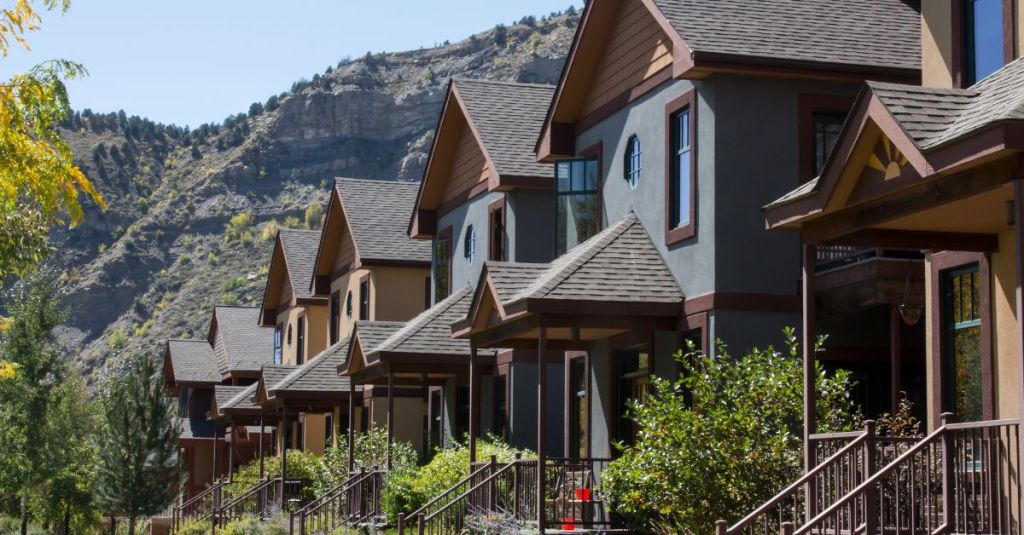
Building a new home can feel like a fresh chapter—especially in Colorado, where the views are big, and the lifestyle invites you outdoors year-round. Before you pick paint colors and backsplash tiles, it helps to understand what makes this state unique. Below, we detail some of the important things to know about building a house in Colorado.
1. Location shapes your daily life and your construction plan
Colorado offers everything from walkable suburban neighborhoods to mountain properties with breathtaking scenery. That variety brings different access, utilities, and build timelines. A lot that looks perfect in summer can behave differently after a snowstorm or heavy spring melt.
When finding the perfect location for your custom home, assess your lifestyle needs first. Think about how you’ll drive in, where services connect, and how your home will sit on the site.
2. The land itself can add cost or complexity
Soil, grade, drainage, and rock can influence excavation and foundation decisions. As we all know, Colorado contains many mountains and hills, which means that many people end up building on sloped lots.
There are key things to know before building on a sloped lot in Colorado, if you choose that route, like local regulations and the financial realities of hillside construction. A sloped lot may offer the best views, but it comes with more questions and decisions you’ll have to make.
3. Weather drives design choices
Another thing to know about building a house in Colorado is the variety and intensity of the state’s weather. Colorado’s weather can swing quickly, and altitude can intensify sun exposure and temperature changes. A smart design accounts for snow loads, wind, and strong UV. You can also protect comfort and energy use by choosing quality insulation, thoughtful window placement, and durable exterior materials that hold up through freeze-thaw cycles.
4. Permits and local rules vary widely
Counties and cities can differ on zoning, setbacks, septic requirements, wildfire mitigation, and design review. Some areas also require engineering reviews that affect timelines. You can save stress by confirming what your jurisdiction needs before you finalize plans, because changes after approvals can ripple through your schedule and budget.
5. Budgeting works best when you plan for the “invisible” parts
Most people budget for finishes but forget site work, utility connections, grading, and contingency costs. Colorado builds frequently include expenses tied to terrain and climate, so a realistic buffer can protect the fun parts of the project. When you align your team—designer, builder, and key trades—you’ll make decisions faster and keep momentum strong.
Bringing It All Together
When you focus on land, weather, local requirements, and a clear budget, you turn a complicated process into a confident plan. If you’re building a house in Colorado, a little preparation up front can help your home feel not just beautiful, but truly livable for years to come.





 Wonderful Creations
Leave a comment