Certain at-home projects just thrive with the right type of wood. It’s important to choose the right type and know what to do with it for long-term beauty.
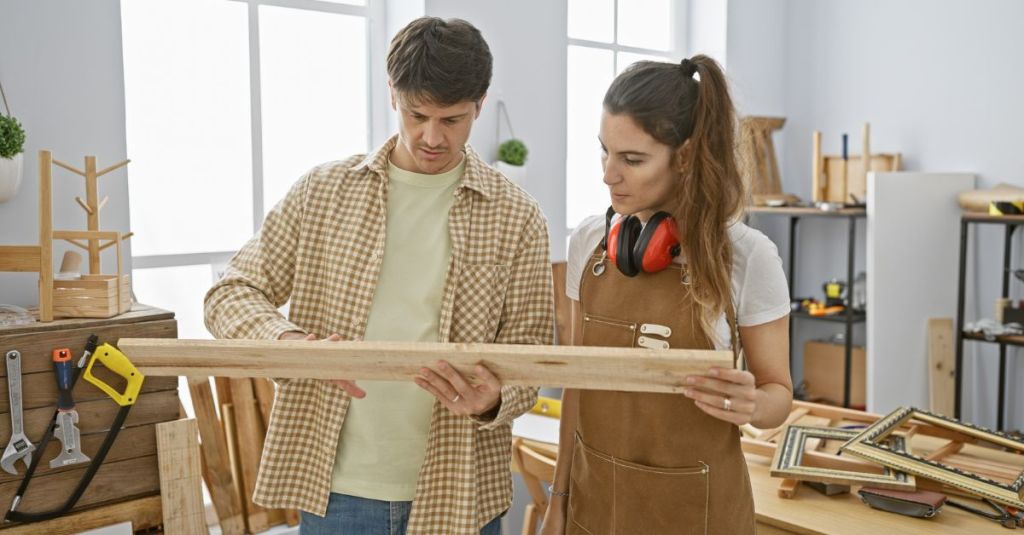
Walking down the lumber aisle at your local hardware store often feels overwhelming. You see stacks of boards reaching the ceiling, and they all look slightly different. Choosing the right material determines the success of your project before you even make the first cut.
You want materials that work with you, not against you. Let’s explore the best types of wood for at-home projects, including how to ensure they’re the right fit.
Pine: The Beginner’s Best Friend
Most creative journeys start with pine. You will find it in almost every home improvement store, and it remains very affordable. Because pine falls into the softwood category, it cuts easily without dulling your saw blades. It also sands down quickly, saving your arms from fatigue.
If you plan to paint your project, pine serves as an excellent canvas. It absorbs paint well, allowing you to match your new creation to your existing decor perfectly. Just remember to use a wood conditioner before staining, as pine can sometimes absorb stain unevenly. For rustic farmhouse signs or simple shelving, pine works perfectly.
Oak: Strength and Beauty
When you feel ready for a challenge, reach for oak. This hardwood brings incredible strength and a distinct grain pattern that looks stunning when stained. It resists dents and scratches much better than pine, making it ideal for high-traffic items.
When you transition into making useful furniture that needs to withstand daily life—such as a sturdy step stool for the kids or a coffee table for family game night—oak creates a professional, lasting finish. It costs a bit more, but the durability ensures your hard work lasts for generations. Working with oak requires sharp tools and a bit more patience, but the results always impress.
Cedar: The Outdoor Specialist
If your creativity takes you into the garden, cedar creates the best results. This wood naturally resists rot, decay, and insect damage without needing harsh chemical treatments. It withstands rain and sun beautifully.
Use cedar for planter boxes, outdoor benches, or birdhouses. It creates a lovely aroma while you work, adding a sensory delight to your crafting time. It’s relatively soft, making it easy to handle, but holds up tough against the elements.
Baltic Birch Plywood: The Secret Weapon
Many people dismiss plywood, but high-quality Baltic Birch plywood belongs in your workshop. Unlike the rough sheets used for construction, this plywood features smooth, attractive layers and a clean surface.
It stays perfectly flat and stable, which solves many headaches for beginner builders. It works wonderfully for storage bins, cabinet boxes, or wide shelving units where solid wood might warp over time. The edges look neat even when exposed, offering a modern, clean aesthetic.
Tips for Selecting Your Boards
No matter which species you choose, inspecting the wood ensures success. Keep these points in mind at the store:
- Look down the length of the board to ensure it is straight, with no twisting or bowing.
- Avoid boards with large, loose knots that might fall out later.
- Check the ends of the boards for splits or cracks.
- Buy a little more than you think you need to account for mistakes.
The perfect wood for your at-home project depends on what you want to build and where it will live. Don’t let the fear of choosing the wrong thing stop you. Start with a simple pine project to build your confidence. You possess the creativity to transform these raw materials into something special for your family. Grab your tape measure and start creating something beautiful today.





 Wonderful Creations
Leave a comment