Finding time for relaxation and personal expression is often overlooked in our fast-paced world, but engaging in creative activities like arts and crafts can provide a much-needed escape. From painting and knitting to scrapbooking and origami, these hands-on activities go far beyond being a hobby—they offer significant mental health benefits. While many people use exercise or mindfulness to manage stress, arts and crafts provide a unique blend of cognitive and emotional engagement that fosters well-being.
Stress Reduction and Relaxation
One of the most immediate benefits of arts and crafts is their ability to reduce stress. The repetitive and focused actions in crafting or creating art can be calming and meditative. When you immerse yourself in an activity like drawing, crocheting, or working with paper, your mind shifts away from daily worries and distractions. This state of “flow,” where you are fully absorbed in what you are doing, can help alleviate anxiety and tension.
The tactile nature of many crafts also contributes to their calming effect. Whether it’s the soothing texture of yarn, the delicate folding of paper in origami, or the feel of a paintbrush against a canvas, engaging your senses helps ground you in the present moment. This focus on the here and now is a crucial aspect of mindfulness, often recommended for managing stress.
Boosting Mood and Alleviating Symptoms of Depression
Creating something can be highly rewarding, offering a sense of accomplishment and purpose. When you see your finished product—a knitted scarf, a painted landscape, or a meticulously crafted paper flower—it can spark a sense of pride and satisfaction. These positive feelings can help counteract the negative thought patterns often associated with depression.
Additionally, engaging in creative activities stimulates the release of dopamine, the brain’s “feel-good” chemical. Dopamine is essential for feelings of pleasure and reward, and its release during artistic activities can lead to an overall improvement in mood.
Enhancing Cognitive Function and Focus
Getting involved in arts and crafts is great for your emotional health and boosts your brainpower. Think of your brain as a muscle that gets stronger with exercise. When you dive into a craft project, you’re using both sides of your brain: the right for creativity and intuition and the left for logic and reasoning. Whether you’re planning out a design, mixing colors, or working with intricate patterns, arts and crafts stimulate problem-solving and critical thinking skills.
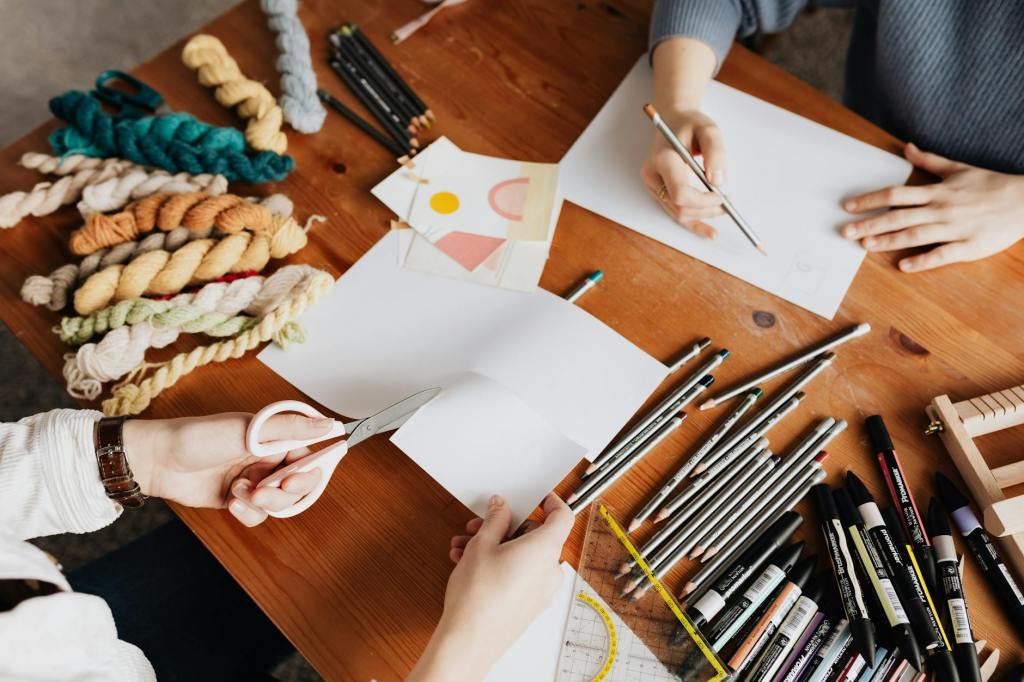
For example, crafting with paper requires careful planning, precision, and attention to detail. Folding paper into complex shapes or arranging photos in a creative layout involves fine motor skills and spatial awareness. These activities are enjoyable and beneficial for brain health, particularly in older adults.
Building Self-Esteem and Confidence
Arts and crafts can also significantly boost self-esteem. For many people, creating something with their own hands is empowering. Turning raw materials—whether yarn, clay, or paper—into a tangible, finished product reinforces a sense of capability and mastery. This accomplishment can be significant for individuals struggling with low self-esteem or feelings of inadequacy.
Even for beginners or those who don’t consider themselves artistic, learning and improving through trial and error can be a confidence-building journey. Every time you learn a new skill or finish a project, you feel a sense of accomplishment that boosts your self-esteem. Arts and crafts provide a safe environment to try new things, make mistakes, and grow without fear of judgment.
Encouraging Social Connection and Reducing Loneliness
In addition to the individual benefits, arts and crafts can foster social connection. Participating in group crafting activities—whether a knitting circle, a painting class, or a scrapbooking club—can help combat feelings of loneliness and isolation. These shared creative experiences offer opportunities to build friendships, exchange ideas, and learn from others. This sense of community can be valuable for people who are dealing with mental health challenges, as social support is a key factor in emotional well-being.
Final Thoughts
Incorporating arts and crafts into your routine is more than just a pastime—it’s an investment in your mental health. The benefits of engaging in creative activities are far-reaching, from reducing stress and improving mood to enhancing cognitive function and building self-esteem. In a world that often values productivity over creativity, taking time to craft can be a powerful act of self-care.






 Wonderful Creations
Leave a comment